
Currently Empty: $0.00
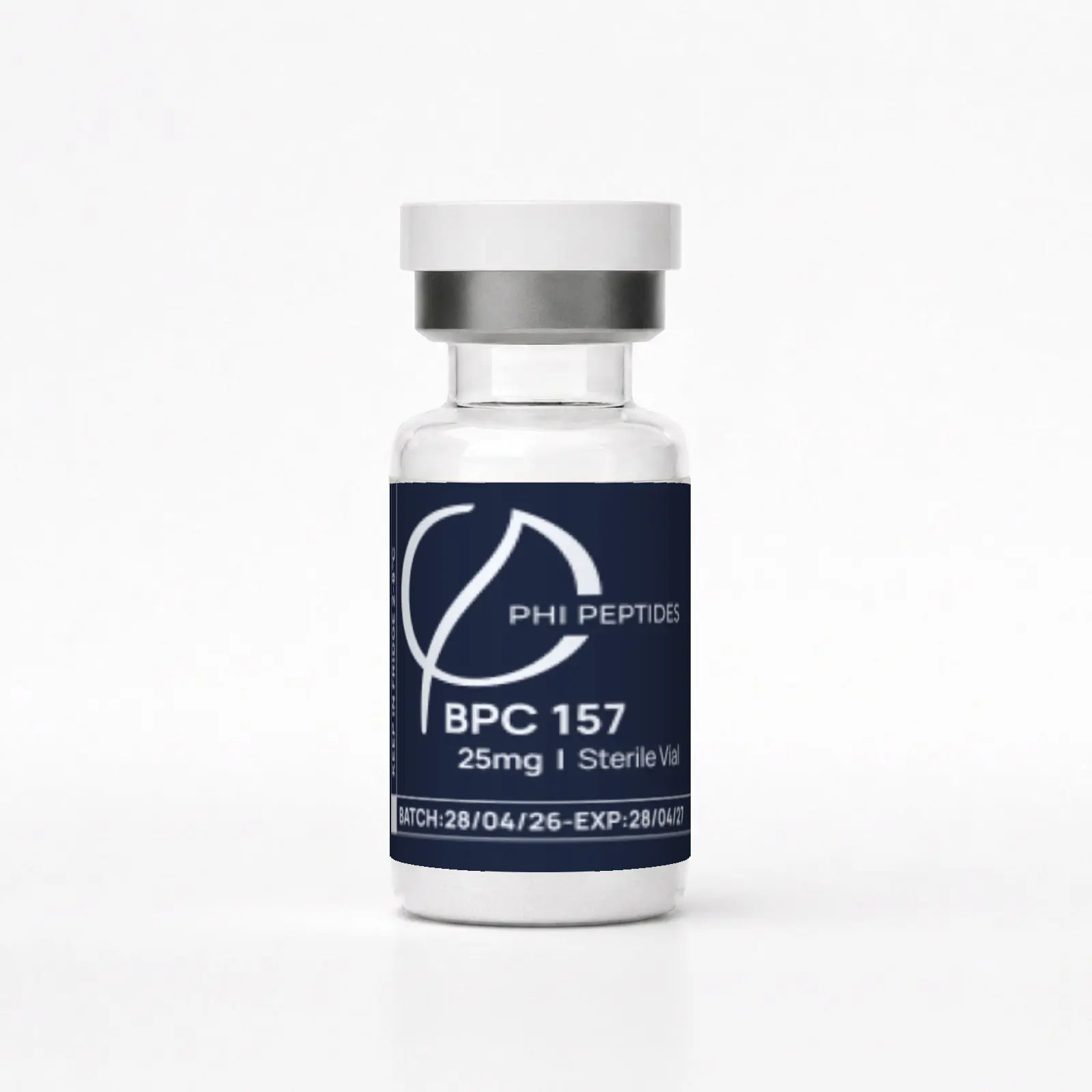
Vial - lyophilised powderSubcutaneous (SQ)25 mg
Recovery is what draws people to BPC 157. This peptide is studied for its role in the repair of soft tissue, tendons and the gut. It is a familiar name in performance circles, with research focused on how the body responds to damage rather than simply how hard it can be pushed.
Shipping Information
Shipping Information
Free Shipping
Decor Outdoor offers free regular shipping on all orders shipped to residential or commercial addresses within the contiguous United States. Orders are delivered Monday through Friday (excluding holidays).Drop Shipping
We are an online-only luxury furniture and lighting boutique, and do not have a warehouse. Consequently, all orders are drop shipped directly from our manufacturers to your door. If your order includes items from more than one manufacturer, you will receive multiple deliveries. Because we are dependent on the on-hand inventory of our manufacturing partners, some items listed on our site may not actually be available right away. Please call us at 888.784.4644 or via our contact form with any stocking questions and we'll get in touch with the appropriate manufacturer for answers, before you place your order.Ground Shipping
Small parcel items ship regular ground via delivery services such as FedEx, UPS or DHL. Orders typically take 2-3 business days to process and in-stock items will usually be delivered 3-5 days from the date that they ship (depending on origin and destination). If there is a delay, you will be notified by email. No signature is required for standard ground shipping, so you may want to make arrangements to have packages brought inside soon after delivery, if you are unable to receive it in person.
Storage & Handling
Follow the storage instructions on your product label and the information supplied with your batch. Storage and handling requirements vary by product and presentation.
BPC 157 attracts interest because recovery matters as much as performance. Researchers are studying its relationship with soft tissue, connective tissue and the gut, particularly the processes involved when tissue is damaged.
Recovery, tendon and soft tissue research, alongside studies of the gut lining.
The PHI Perspective
Consistent performance depends on recovery. That is why the biology of repair deserves attention, with the limits of the evidence kept clear.
For clinician-directed use only where permitted.
How It Works
Laboratory and animal studies suggest BPC 157 affects signals involved in tissue repair, including how cells communicate and blood vessels develop around damaged tissue.
What the Research SuggestsMost of the evidence comes from laboratory and animal studies. These findings explain the interest in repair, but do not establish reliable recovery outcomes in people.
Evidence level: D. Preclinical evidence only; no controlled human trials
Storage & Handling
Store lyophilised vial at 2-8 C, protected from light. Reconstituted product refrigerated at 2-8 C.
Active compound: BPC-157 (Body Protection Compound-157)
Mechanism of ActionAppears to act primarily by upregulating vascular endothelial growth factor receptor 2 (VEGFR2) signalling and the downstream nitric oxide pathway, promoting angiogenesis at the site of injury. Additional preclinical observations include modulation of growth hormone receptor expression in tendon fibroblasts, stabilisation of the gut-brain axis, and influence on dopaminergic and serotonergic systems.
Clinical Evidence BaseExtensive rodent evidence across tendon, ligament, muscle, bone, gastrointestinal and nerve injury models, produced largely by a small number of research groups. No published randomised controlled human trials. Clinical use is therefore experience-based rather than trial-based.
Safety & PrecautionsNo dose-limiting toxicity has been identified in animal studies and clinical experience reports good tolerability, but the absence of human safety trials means long-term risk is genuinely unknown. Theoretical concern exists regarding angiogenic activity in the presence of occult malignancy. Not for use in pregnancy or breastfeeding. Injection-site reactions are the most common reported effect.
ContraindicationsActive or suspected malignancy; pregnancy and breastfeeding; known hypersensitivity. Caution with concurrent anticoagulation.
Literature & ReferencesSikiric P et al. Curr Pharm Des, 2011 - BPC 157 and gastrointestinal cytoprotection. | Chang CH et al. J Appl Physiol, 2011 - effect on tendon fibroblast outgrowth and FAK-paxillin signalling. | Seiwerth S et al. Curr Med Chem, 2014 - BPC 157 and blood vessel recruitment. | Hsieh MJ et al. J Mol Med, 2017 - VEGFR2 activation and angiogenesis.